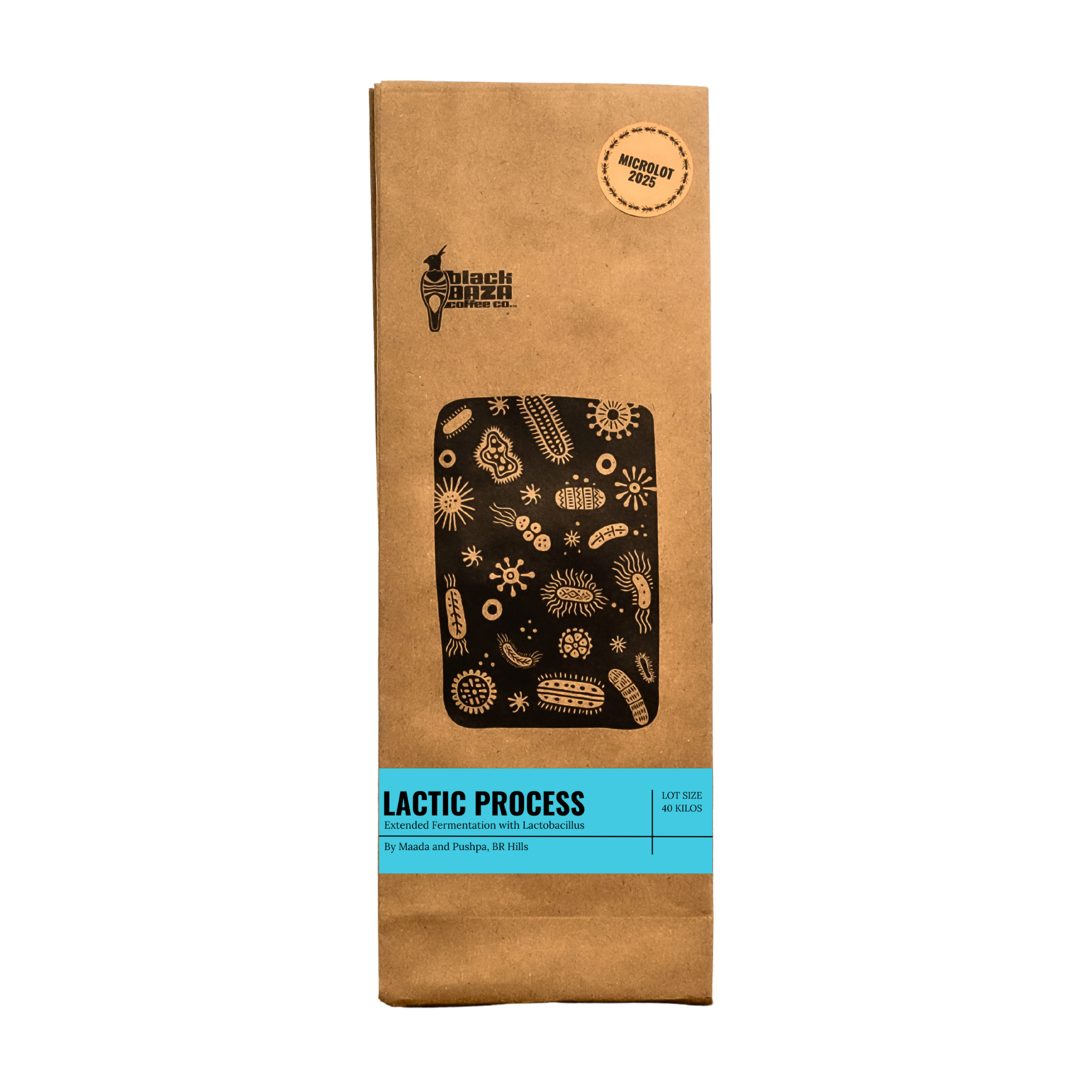
Lactic Process
Tasting Notes
Description
COFFEE Arabica — Extended Fermentation with Lactobacillus YOU'VE TRIED LACTOBACILLUS IN CURD BUT HAVE YOU IN COFFEE? This diverse group of bacteria is abundant in nature, inside our bodies and in our food. In post-harvest processing of coffee, sugary coffee fruits are kept in anaerobic conditions such that the LAB bacteria can eat away at all the sugars. This fermentation produces metabolites that are then absorbed by the coffee beans to produce flavour. Many microorganisms ferment coffee fruit, but through close monitoring of pH, temperature and oxygen availability, we can create environmental conditions that preferentially allow LAB to thrive. Carrying out controlled fermentations is complex — there are many variables to account for and there is no set recipe for a lactic process coffee. Pushing a lactic fermentation can result in overly bitter cups whereas if you get it right, your brew could be buttery, fruity and floral. FLAVOUR NOTES Cocoa, Brown Spice RECOMMENDED BREWING Pour Over, Drip Filter BREW Pour Over (Hot and Iced) RECIPE For a pour over, place a filter in your dripper and rinse with hot water to eliminate the taste of paper. Add 15g of medium-ground coffee. Pour 250ml of hot water (92-94°C) in slow, circular motions, starting from the centre and moving outward, allowing the coffee to bloom, and continue pouring until the desired amount of water has passed through. NOTE The 'best brewed with' list suggests methods for the best cup, but isn’t restrictive — this coffee can be ground and brewed however you prefer.
Origin
Purchase
Similar Beans
Based on tasting notes and processing method

Brazil Minas Gerais
Revel Coffee
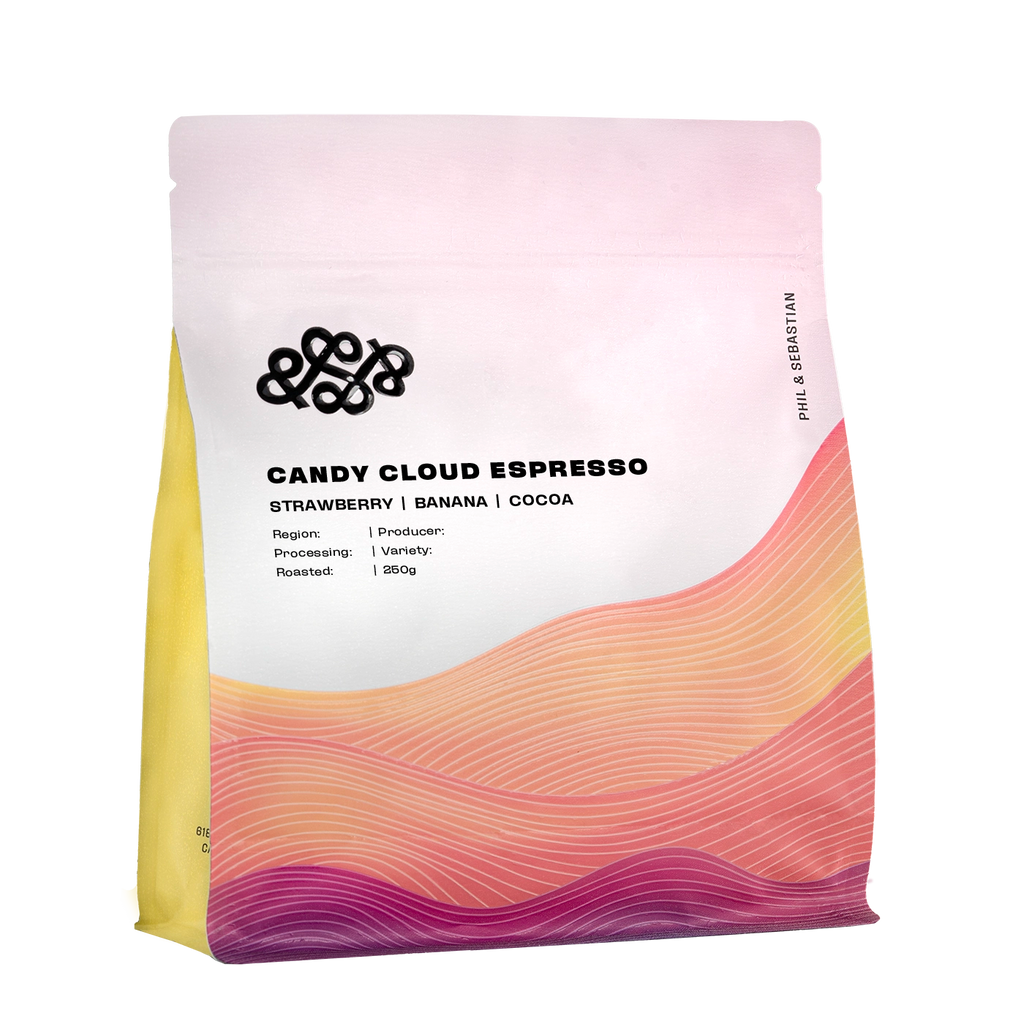
Candy Cloud Espresso
Phil & Sebastian Coffee Roasters

